Maltby Street Market rubbish clearance Bermondsey
Posted on 10/08/2026
Maltby Street Market rubbish clearance Bermondsey: a practical local guide
Maltby Street Market has a very particular rhythm. Early deliveries, food stalls setting up, cardboard flattening underfoot, and the steady build-up of packaging, broken-down stock boxes, old display materials, and general market waste. If you need Maltby Street Market rubbish clearance Bermondsey, you are usually dealing with more than a simple tidy-up. You are managing time pressure, shared access, neighbours, traders, and the usual Bermondsey squeeze around busy streets and narrow service areas.
That is exactly why a clear, organised approach matters. Whether you run a stall, manage a unit nearby, handle post-event clean-downs, or are clearing mixed waste after a refurbishment or stock change, the job needs to be fast, safe, and done with as little disruption as possible. In our experience, the best results come from planning the clearance around access windows, sorting waste sensibly, and choosing the right disposal method for the load. Simple enough in theory. A bit messier in real life.
This guide breaks down how rubbish clearance around Maltby Street Market works, what to watch out for, when it makes sense to use a professional team, and how to avoid the common mistakes that slow everything down. If you also want to understand the wider local context, you may find it useful to read about why locals love Bermondsey and the practical local insight in a Bermondsey resident's perspective.

Why Maltby Street Market rubbish clearance Bermondsey Matters
Rubbish clearance in and around Maltby Street Market matters because this part of Bermondsey is not built for sloppy waste handling. The area is active, compact, and shared by traders, local businesses, residents, visitors, and service vehicles. A few extra bags or a stack of wet cardboard might not sound like much, but around a market street it can quickly become a trip hazard, an access problem, or a nuisance for nearby properties.
There is also the image factor, and that should not be underestimated. Visitors come to Maltby Street for food, atmosphere, and a sense of place. Overflowing bins, loose packaging, or dumped items near loading points chip away at that feel. To be fair, people notice these things immediately, even if they do not say anything. They just walk a bit quicker, or step around the mess with that little look that says everything.
For traders and nearby operators, clean waste management is not just about appearances. It helps with:
- keeping entrances, walkways, and service routes clear
- reducing pest attraction and odour
- making it easier to open and close on time
- avoiding conflicts with neighbours, landlords, or site managers
- supporting better recycling and lower general waste volumes
If your waste includes bulky items, broken fixtures, or mixed commercial rubbish, it may be worth reviewing the broader services overview so you can match the job to the right removal method rather than forcing everything into a one-size-fits-all solution.
How Maltby Street Market rubbish clearance Bermondsey Works
Most clearances around Maltby Street Street Market follow a straightforward pattern, but the details matter. The process normally starts with identifying the waste type and the access conditions. That sounds basic, yet it is where many jobs either run smoothly or become a bit of a faff.
Here is the usual flow:
- Assess the waste - cardboard, food packaging, black bags, broken furniture, shelving, display units, fixtures, or mixed rubbish all need different handling.
- Check access - loading space, time restrictions, narrow lanes, pedestrian flow, and whether items need carrying through shared spaces all affect the plan.
- Separate where practical - recyclable material should be separated from general waste where possible, especially when loads are substantial.
- Remove safely - the clearance team loads waste with attention to lifting safety, public access, and protection of surrounding property.
- Dispose responsibly - suitable waste is taken for reuse, recycling, or licensed disposal depending on what the load contains.
For many local jobs, same-day or next-day collection is a practical option, especially if the waste is affecting trading space, deliveries, or customer access. If you are comparing turnaround times and cost pressure, the article on cheap Bermondsey rubbish removal and same-day quotes is a useful companion read.
There is a difference between simple rubbish collection and full market clearance. Collection might mean taking away bagged waste only. Clearance usually covers bulky items, loose materials, mixed loads, and the manual labour needed to move things from where they are stored or stacked. That distinction saves confusion later.
Key Benefits and Practical Advantages
Good rubbish clearance is not just about "getting rid of stuff". It gives you breathing room. It makes the space usable again. And when you are operating in a busy market environment, that can be the difference between a decent day and a stressful one.
The main advantages are usually:
- Speed - ideal when you need the area cleared before opening, after closing, or between market days.
- Reduced disruption - less mess on-site means less interference with customers and neighbours.
- Better presentation - a cleaner stall front or back-of-house area looks more professional.
- Safer working conditions - fewer trip hazards and fewer awkward stacks of waste.
- Smarter disposal - recyclable materials can be separated instead of being mixed into general rubbish.
There is also a hidden benefit that people often overlook: a proper clearance helps you see the space accurately again. You notice what needs repairing, what can be reused, and what is just taking up room. Sometimes the clutter hides the real job, and once it is gone, the next decision becomes much clearer.
If your waste includes furniture, display units, or worn-out counter items, the dedicated furniture disposal service is often more suitable than a general rubbish-only approach. Likewise, if the work is larger or mixed with trade waste, waste removal in Bermondsey may be the better fit.
Who This Is For and When It Makes Sense
This kind of clearance is not just for traders in the market itself. It can help a few different people, and the job often changes depending on who is asking for it.
Typical users include:
- Market traders clearing packaging, old stock, broken display items, and end-of-day waste
- Cafes and food operators dealing with cardboard, food-safe packaging, or bulky back-of-house rubbish
- Property managers handling waste left after maintenance, fit-outs, or tenant changes
- Local businesses with regular accumulation of bags, crates, or unwanted equipment
- Contractors who need builders' waste or strip-out material removed near the market
It also makes sense when you are dealing with a one-off event, a seasonal refresh, or an urgent clear-out after a delivery issue. If your work involves construction debris, plasterboard, timber offcuts, or other renovation leftovers, the more suitable route may be builders' waste clearance in Bermondsey.
And if you are on the fence between doing it yourself and calling in help, ask one honest question: will the job still be easy once the bags are heavier, the path is tighter, and you are on a clock? That usually answers it.
Step-by-Step Guidance
If you want the clearance to run well, keep the process simple and methodical. You do not need a grand plan, just a tidy one.
1. Identify exactly what needs removing
Start by listing the waste. Not just "rubbish", because that tells you almost nothing. Is it cardboard only? Mixed bags? Plastic crates? Broken furniture? Food waste? Old packaging from deliveries? The more specific you are, the easier it is to plan the clearance properly.
2. Separate reusable and recyclable items
Before anything is loaded, check whether any items can be reused, donated, or recycled. Clean cardboard, metal shelving, and some equipment can often be handled more efficiently when separated. It is a small step, but it helps reduce unnecessary disposal.
3. Make access as easy as possible
Clear the route from where the waste sits to where it will be loaded. In a market environment, that means removing obstacles, checking door widths, and making sure staff know where to place items. A few minutes of preparation can save a lot of awkward lifting later.
4. Choose the right collection window
For Maltby Street Market, timing is everything. Early collection before foot traffic builds up may be ideal. Late collection after the day's trading can work too. The wrong time, though, and you are asking for congestion. Nobody enjoys that.
5. Confirm disposal and paperwork expectations
If the waste is commercial, mixed, or potentially regulated, make sure the provider can handle it appropriately. Responsible operators will explain how the waste is taken away, where it goes, and what can be recycled. That reassurance matters.
6. Do a final sweep
Once the clearance is complete, check the area for small debris, damaged packaging, or loose waste fragments. This is the bit people skip when they are in a rush. Then, five minutes later, they are back out there sweeping crumbs and cable ties. Annoying, yes. Avoidable, also yes.
Expert Tips for Better Results
Here are the practical things that tend to make the biggest difference, especially in busy local settings like Bermondsey.
- Bundle waste by type before pickup so recyclables do not get contaminated by general rubbish.
- Avoid overfilling bags; heavy or split bags slow everything down and create more mess.
- Keep a small buffer area for waste staging so loading does not block customers or staff.
- Photograph the pile before clearance if you need a record for a landlord, manager, or internal log.
- Plan around market rhythms rather than forcing the clearance into the busiest hour of the day.
One more thing: if you are dealing with recurring waste, not just a one-off load, it may be worth thinking in terms of a repeatable waste process rather than a single collection. That is where a more structured service arrangement often pays off. The broader rubbish clearance Bermondsey page is useful if you want to compare routine and ad hoc removal needs.
And if your site is close to transport links or busy pedestrian routes, local context helps. The page on rubbish removal near Bermondsey Station gives a good sense of the access challenges that often show up in SE16. Different spot, same local reality.

Common Mistakes to Avoid
Most rubbish clearance problems are preventable. The frustrating part is that they are usually preventable in very ordinary ways.
- Leaving waste sorting until the last minute - this leads to mixed loads and slower removal.
- Ignoring access constraints - if the team cannot get close enough, the job becomes slower and more costly.
- Assuming all waste is the same - food-contaminated waste, electrical items, furniture, and building debris are not handled identically.
- Blocking service routes - even temporarily, this can create friction with neighbouring traders or building management.
- Forgetting small debris - bottle caps, broken tape, and loose packaging leave the space feeling unfinished.
Another common mistake is over-committing to skip hire when a quick labour-led clearance would have been simpler. Skips can be useful, but not every site has the spare room. In a tight market setting, they are not always the neatest answer. If you are weighing up the two approaches, the skip hire in Bermondsey page can help you think through the trade-offs.
Truth be told, the biggest issue is usually not the waste itself. It is the lack of a plan. Waste is rarely dramatic; disorganisation is.
Tools, Resources and Recommendations
You do not need a van full of specialist kit to manage market waste well, but a few practical tools make the process smoother.
| Tool or Resource | Why it helps | Best for |
|---|---|---|
| Heavy-duty sacks | Safer than thin bags and less likely to split | Mixed light waste, packaging, small offcuts |
| Gloves and grippers | Reduces hand injuries and makes handling easier | General tidy-ups and manual sorting |
| Trolleys or dollies | Helps move bulky items without repeated lifting | Crates, boxes, small furniture, fixtures |
| Labels or colour-coded bags | Makes sorting quicker and avoids contamination | Recycling separation and staged clearance |
| Professional clearance support | Removes the heavy lifting and disposal hassle | Urgent jobs, large loads, awkward access |
For related support, the most useful pages are usually the services overview, the recycling and sustainability page, and the pricing and quotes information if you are trying to budget sensibly. That combination gives you the operational, environmental, and commercial picture in one place.
If the clear-out is tied to a home, flat, or business move elsewhere in Bermondsey, you may also find house clearance in Bermondsey and office clearance in Bermondsey helpful for broader planning. Sometimes the market job is just one piece of a bigger reset.
Law, Compliance, Standards, or Best Practice
When rubbish is commercial or mixed, compliance matters. You do not need to become a waste-law expert overnight, but you should make sure the job is handled responsibly and in line with accepted UK waste practices.
At a practical level, that means:
- using a provider that understands commercial and mixed waste handling
- keeping waste out of public spaces longer than necessary
- avoiding fly-tipping or informal dumping arrangements
- separating recyclable items where reasonable
- treating electrical items, sharp materials, and contaminated waste with care
For businesses, it is also sensible to keep records of what was removed and when, particularly if waste management is part of a wider facilities or landlord relationship. The point is not bureaucracy for its own sake. It is clarity. Clarity saves arguments later.
Safety should be taken seriously too. Manual handling, sharp packaging strapping, splintered timber, and awkward loads can all lead to avoidable injuries. If you want a plain-English overview of that side of things, the insurance and safety page is worth a look. It is the sort of page people ignore until they really, really should not.
Best practice also includes being honest about the waste type from the start. If there is anything unusual in the load, say so early. It keeps the quote realistic and helps the team prepare properly.
Options, Methods, or Comparison Table
There is more than one way to handle market waste, and the right choice depends on volume, timing, and access. Here is a simple comparison.
| Method | Best for | Pros | Watch-outs |
|---|---|---|---|
| Manual clearance service | Mixed loads, bulky items, tight access | Fast, flexible, less space needed | Needs clear instructions and access planning |
| Skip hire | Larger jobs with space to place a skip | Good for ongoing loading over time | Requires space and may not suit busy pedestrian areas |
| Self-managed trips to disposal | Small loads and occasional waste | Can seem inexpensive at first | Time-consuming, labour-heavy, and easy to underestimate |
| Scheduled collection | Recurring waste from trading or operations | Predictable and tidy | Needs discipline and regular sorting |
For Maltby Street Market rubbish clearance Bermondsey, a manual or hybrid approach is often the most practical because access can be tight and the load is often mixed. That said, there is no magic answer. The best method is the one that fits the site, the timing, and the waste itself.
Case Study or Real-World Example
Here is a realistic example based on the kind of work often seen around the market area.
A small food trader finishes a busy weekend and discovers the back-of-house area has become cluttered with flat-packed boxes, broken shelving, old plastic storage crates, and a couple of bulky items that no longer fit the layout. The space is cramped, staff still need to pass through it, and the next trading day is close.
The trader first separates clean cardboard from mixed rubbish. Reusable crates are set aside. The rest is grouped into manageable piles so the removal team can work quickly without blocking the walkway. Because access is narrow, the team times the clearance for a quiet window, uses manual loading rather than a skip, and finishes with a sweep to catch the small bits that always seem to hide in corners.
The result is not dramatic, but it is effective. The space is easier to work in, the storage layout makes sense again, and the trader does not start the next week feeling boxed in. Small win, really. But those small wins matter in a market environment.
That sort of job also tends to highlight why local knowledge counts. If you know how Bermondsey streets behave at different times of day, the work becomes far easier to plan. That local awareness is part of what the team behind our Bermondsey rubbish removal service brings to each clearance.
Practical Checklist
Use this checklist before arranging a clearance around Maltby Street Market:
- List every waste type in the pile
- Separate recyclables, reusable items, and general rubbish
- Check access routes, doorway widths, and loading space
- Choose a collection time that avoids peak footfall
- Confirm whether any item needs special handling
- Make sure staff or neighbours know when the clearance will happen
- Keep walkways and exits clear before the team arrives
- Ask how disposal and recycling will be handled
- Do a final check for loose debris afterwards
- Save the provider's details for future repeat clearances
If you are planning a wider tidy-up, do not forget other spaces too. A market clear-out often leads neatly into garage clearance, loft clearance, or even junk removal if there is leftover clutter you have been meaning to shift for months. You know the sort.
Conclusion
Maltby Street Market rubbish clearance Bermondsey is really about keeping a busy, characterful part of London working properly. Do the job well, and you protect access, presentation, safety, and trading flow. Do it badly, and the mess grows teeth very quickly.
The smartest approach is usually the simplest one: sort the waste clearly, respect the site's access limits, use the right method for the load, and make disposal as responsible as possible. That way, the clearance supports the space instead of fighting it. And honestly, that is what good local service should do.
If you need help comparing clearance options, understanding pricing, or arranging a fast removal window, explore the relevant Bermondsey service pages and get the process moving before the pile becomes a problem. A tidy space has a way of calming everything down. Funny how that works.
Get a free quote today and see how much you can save.



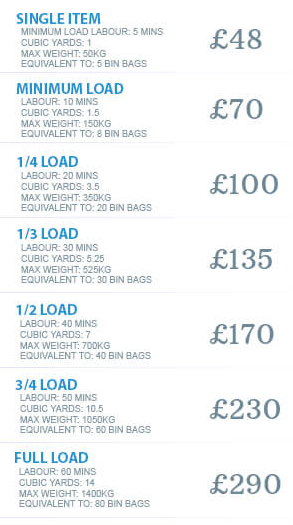
 Tipper Van - Rubbish Removal Prices in Bermondsey, SE16
 Luton Van - Rubbish Removal Prices in Bermondsey, SE16