Bermondsey Street skip alternative rubbish collection guide
Posted on 10/10/2026
If you are dealing with a pile of rubbish on or near Bermondsey Street, you may already know the awkward bit: a skip is not always the neatest, easiest, or most practical answer. Streets can be tight, access can be fiddly, and the last thing anyone wants is a metal box sitting outside for days. This Bermondsey Street skip alternative rubbish collection guide walks you through the smarter options, when they make sense, and how to choose the right approach without turning a simple clearance into a headache.
Whether you are clearing a flat, sorting out a shop refit, dealing with a post-renovation mess, or just trying to reclaim your hallway from the usual "I'll deal with that later" pile, the goal is the same: get waste removed quickly, safely, and with minimal disruption. Let's face it, no one enjoys living around bagged plasterboard and old furniture for longer than necessary.
This guide covers how skip alternatives work, the key benefits, the mistakes people make, and the practical steps that make collection day smoother. You will also find a comparison table, a realistic example, and a checklist you can actually use.

Why Bermondsey Street skip alternative rubbish collection guide Matters
Bermondsey Street has its own rhythm. It is busy, characterful, and not built around generous front gardens or wide loading bays. That matters a lot when waste starts building up. A skip can be the obvious choice in theory, but in practice it may create access issues, parking problems, permit complications, or simply look and feel too intrusive for the job at hand.
Skip alternatives are worth understanding because they give you flexibility. You can often clear waste from inside the property, avoid leaving a container on the street, and keep the process more controlled. For a lot of households and businesses, that means less disruption and a cleaner end result. And in a place where neighbours, pedestrians, and traffic all come into play, that is no small thing.
There is also a practical angle. Not all waste jobs are equal. A few broken cupboards are very different from a full renovation load, and a bulky sofa is a different beast again from mixed builder's waste. A good rubbish collection approach should match the actual volume, type of material, and timing of the job, not just default to the biggest option available.
Key point: the best skip alternative is usually the one that fits your access, your waste type, and your deadline - not the one that simply sounds the most familiar.
How Bermondsey Street skip alternative rubbish collection guide Works
At its simplest, skip alternative rubbish collection means waste is removed without placing a skip outside your property for an extended period. That usually happens through a collection team, a man-and-van style service, or a one-off rubbish removal visit that loads items directly from your premises, yard, office, shop, or building entrance.
Instead of you filling a skip over several days, the team typically arrives at an agreed time, assesses the load, confirms what can be taken, and clears it there and then. In many cases, the waste is loaded from where it already sits - top floor, basement, rear alley, loading area, or front door - which is why this approach works especially well in tighter streets.
The process is usually straightforward:
- You describe the waste, access, and location.
- A quote is given based on volume, weight, material type, and labour.
- You agree a time slot and prepare the items for collection.
- The team arrives, loads the waste, and sweeps up the area if needed.
- The rubbish is taken away for sorting, reuse, recycling, or disposal.
That last part matters. A proper collection service should not be viewed as "someone with a van and a pair of gloves." The better operators separate materials responsibly where possible, which is especially useful when you have mixed loads containing wood, metal, furniture, packaging, and general household junk.
For larger clearances, it can help to review a provider's wider service range too. On this website, the services overview gives a useful sense of how different clearance jobs are handled, from smaller pickups to more involved removals.
Key Benefits and Practical Advantages
There are good reasons people in Bermondsey choose an alternative to a skip, and they are not all about convenience. Some are about space. Some are about timing. Some are just about avoiding unnecessary fuss. Fair enough.
- Less street disruption: No skip sitting outside, no long wait, and no awkward obstruction for neighbours or passers-by.
- Better for narrow access: Many properties on and around Bermondsey Street are easier to service with a team that carries waste out directly.
- Faster turnaround: Collections are often completed in one visit, which is handy if you are working to a move-out or refurbishment deadline.
- More flexible for mixed waste: A collection crew can deal with bulky items, bagged waste, and awkward loads together.
- Less self-loading stress: You do not have to keep lifting rubble or furniture into a container over several days.
- Cleaner presentation: This can matter a lot for flats, managed buildings, shops, and offices where appearance matters.
There is also a hidden benefit that people often overlook: decision clarity. With a skip, it is easy to overestimate what you need and pay for unused capacity, or underestimate and end up with a second load. With collection-based clearance, you can usually judge the job more directly by looking at the actual pile.
If you are comparing disposal options with sustainability in mind, it is also worth reading about recycling and sustainability. Understanding where the waste goes can make the choice feel a lot more grounded.
Who This Is For and When It Makes Sense
This approach is not just for one type of customer. In fact, it suits quite a broad mix of situations.
Homeowners and tenants often use skip alternatives for end-of-tenancy clear-outs, loft clearance, garage junk, or replacing old furniture. If you live in a flat near Bermondsey Street, the convenience is obvious. You do not want a skip blockading a space you barely have in the first place.
Landlords and letting agents may need fast, reliable rubbish collection between tenancies. A property can go from tidy to chaotic in a few hours, especially after a rushed move. A direct collection can reset the space quickly.
Businesses use skip alternatives when they need to clear stock, office furniture, packaging, archived clutter, or refit waste without affecting customers. It is especially useful where daily footfall is important and a skip would simply look messy.
Builders and tradespeople sometimes prefer collection when access is tight or when waste builds up in smaller batches rather than one giant load. That said, for bigger renovation projects, a dedicated builder's waste service may still be the better fit.
When it makes sense:
- you do not have room for a skip
- you need waste removed quickly
- the waste is bulky but not massive
- you want to avoid street clutter
- access is awkward or shared
- you need help with lifting and loading
Sometimes the answer is very simple: if you would spend half the week trying to make a skip work, a collection service is probably the calmer option. And calmer is underrated.
Step-by-Step Guidance
If you want a smooth collection, a bit of preparation goes a long way. Here is the process that tends to work best in real life, not just on paper.
- Sort the waste by type. Put furniture, general rubbish, metal, wood, garden waste, and builder's waste into rough groups where possible. You do not need museum-level organisation, just enough to avoid surprises.
- Identify anything restricted. Paint tins, fridges, mattresses, chemicals, or electricals can require special handling. If you are unsure, ask before collection day.
- Measure the volume. A quick visual estimate helps. Think in terms of how many van loads, how many large furniture items, or how many bags. A photo is even better.
- Check access. Note staircases, narrow hallways, basement steps, parking issues, and any time restrictions. Access details often make the difference between an easy quote and a messy one.
- Choose a sensible time slot. Early morning is sometimes calmer for buildings and streets, though not always necessary. The point is to avoid peak disruption if you can.
- Keep the area clear. Move small items aside, open gates if needed, and make sure the waste is reachable. Every extra trip through a cramped hallway adds time.
- Confirm what happens after collection. A trustworthy provider should be able to explain, in plain English, how the waste is handled once removed.
A small but useful habit: take two quick photos before the team arrives. One wider shot, one closer shot. It avoids the classic "oh, I thought you meant the pile in the corner" moment. Happens more than you might think.
Expert Tips for Better Results
There are a few small decisions that can make the whole thing smoother. These are the kind of things experienced crews notice straight away.
Be precise about what you have. "Household rubbish" is not very helpful on its own. A broken wardrobe and a pile of bags are not the same job. The more accurate your description, the better the estimate.
Separate high-value recyclables where sensible. If metal, cardboard, or clean wood can be grouped together, that often helps the collection process run more efficiently. No need to overdo it, though. You are not running a sorting depot in your hallway.
Ask about lifting support. Some jobs involve stairs, awkward corners, or heavy items. It is better to be upfront than to discover the sofa weighs more than expected once it reaches the landing.
Plan for a little buffer. If you are clearing before a move, a handover, or a photo shoot, leave yourself a small time cushion. Waste jobs have a habit of revealing one more bag, one more chair, one more mystery box.
Think about noise and neighbours. It sounds minor, but dragging furniture early in the morning through a shared building can create friction. A calm, well-timed collection is usually worth the slight extra planning.
Use the service type that matches the job. A general rubbish collection may suit mixed household items, while a more specific service can be better for lofts, gardens, or office clearances. If your job is specialist, match it properly rather than forcing it into a generic box.
For example, if you are dealing with a cluttered basement, the right help is often closer to a house clearance in Bermondsey than a simple one-off pickup. Same with an office refit or old desks, where office clearance may be the cleaner route.

Common Mistakes to Avoid
Most problems with rubbish collection come from assumptions. People assume the waste type is obvious. They assume access will be fine. They assume one van load will do the trick. Then the day arrives and, well, reality has a say.
- Underestimating the volume: A pile that looks small in a corner can multiply once moved. Bulky items are deceptive like that.
- Forgetting restricted waste: Mattresses, fridges, and some electrical items may need separate handling.
- Not checking access: A narrow stairwell or no-parking zone can slow things down more than you expect.
- Mixing everything together: If recyclable material is hidden inside general waste, sorting can become slower and less efficient.
- Choosing only on price: The cheapest quote is not always the best value if it excludes labour, loading, or certain waste types.
- Leaving it too late: Trying to organise removal the day before a move or refit usually brings avoidable stress.
One more to mention: do not assume every provider handles the same kind of waste. Some are better for bulky domestic items, others for builders' waste, and some are built for fast mixed-load removal. It sounds obvious, but people trip over this quite a lot.
Tools, Resources and Recommendations
You do not need specialist equipment for most skip alternative rubbish collection jobs, but a few simple tools can save time and hassle.
- Strong bin bags or rubble sacks: Useful for smaller loose waste and broken-up material.
- Labels or tape: Handy if you want to mark keep, recycle, donate, or remove items in advance.
- Measuring tape: Particularly useful for furniture, appliances, and awkward clearances through hallways.
- A phone camera: Photos help with quotes and reduce confusion.
- Work gloves and basic dust masks: Useful if you are doing some of the sorting yourself.
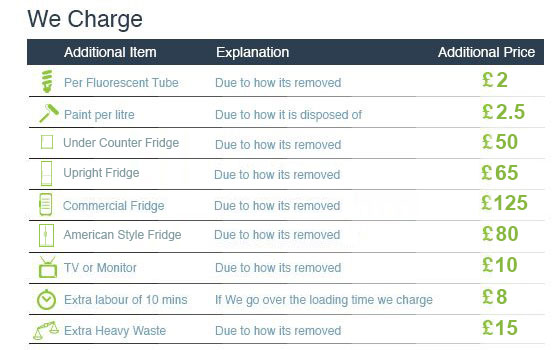
From a service perspective, it can help to review a provider's pricing information before booking. The pricing and quotes page is a sensible place to start if you want a clearer idea of what affects cost and how quotes are usually put together.
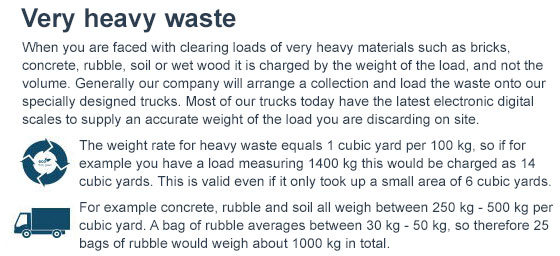
If the waste is very specific, look for the service page that best matches the job. For instance, garden waste, furniture disposal, garage clearance, loft clearance, and builders' waste all have slightly different demands. Choosing the right category can make the whole process easier and usually improves the accuracy of the quote.
Law, Compliance, Standards, or Best Practice
Waste removal in the UK is not just about lifting things into a van and driving off. There are proper expectations around handling, transport, and disposal, and any reputable provider should be able to operate with those in mind.
For you as the customer, the most important practical point is simple: use a service that can explain what happens to the waste and how it is managed. If a company is vague about this, that is not ideal. You do not need a lecture, but you do need confidence that the waste is being dealt with responsibly.
There are also property and safety considerations. Shared entrances, narrow stairways, and busy pavements all require care. Lifting heavy objects badly can cause injury, and trying to move sharp or unstable waste without the right support is asking for trouble. Common sense goes a long way here, but it should be backed by proper care from the crew.
If you are arranging rubbish collection for a business, it is wise to think about duty of care, record-keeping, and site safety in broad terms. You do not need to become an expert yourself, but you should expect professional handling and clear communication. The same goes for any customer concerned about insurance and safe working practices. On this website, the insurance and safety information can help set expectations.
Best practice usually looks like this:
- waste is described accurately before booking
- restricted items are flagged in advance
- loading is done carefully, especially around stairs and narrow entrances
- material is sorted where practical
- the service is clear about what it can and cannot take
In plain English: if the job feels messy, the provider should make the process feel less messy, not more.
Options, Methods, or Comparison Table
Choosing between a skip and a skip alternative depends on what you are clearing, how quickly you need it gone, and how much space you have. Here is a useful comparison.
| Option | Best for | Strengths | Limitations |
|---|---|---|---|
| Traditional skip hire | Larger, longer jobs with space for a container | Good capacity, useful for ongoing loading | Needs space, may require permits, can block access |
| Man-and-van rubbish collection | Mixed domestic waste, bulky items, quick clear-outs | Fast, flexible, less disruption, loading included | Less suited to very large continuous loads |
| Specialist clearance service | Homes, offices, lofts, garages, or sensitive clearances | Tailored handling, better for complex jobs | May be more specific than some people need |
| Mixed waste collection | General clutter with several material types | Convenient for one-off disposal | Restricted items may need separate treatment |
For many Bermondsey Street properties, the man-and-van style approach is the sweet spot. It avoids the long tail of skip management while still handling a proper amount of waste in one visit. Not always, but often. The trick is matching the method to the reality of the space.
Case Study or Real-World Example
Imagine a two-bedroom flat just off Bermondsey Street after a move-out. There is a broken bed frame, a small sofa, four bags of general rubbish, a couple of shelving units, and a box of mixed bits from the kitchen. Nothing outrageous, but too much for a normal car boot run and too awkward to leave lying around for long.
A skip would be possible in theory, but the residents would need to think about access, street space, timing, and how long the container might sit outside. That is where the trouble starts. Instead, a rubbish collection team arrives in the morning, carries the items out carefully, and clears the lot in one go. The hallway is left usable again, and the flat is ready for handover later that day.
That kind of job is common, and it shows why the alternative approach works so well. It is not about being flashy. It is about making a tight urban situation easier.
Another small but realistic example: a cafe near the street closes for a refresh and needs old shelving, packaging, and broken furniture removed before opening the next week. A skip would sit awkwardly outside, so a direct collection keeps the frontage tidy and avoids putting customers off. That little difference can matter more than people expect.
Expert summary: if your waste is bulky, time-sensitive, and located in a place where a skip would be inconvenient, collection-based removal is often the cleanest practical answer.
Practical Checklist
Use this quick checklist before booking collection. It is simple, but it saves hassle.
- Have you identified the main waste types?
- Do you know whether any items need special handling?
- Have you taken photos of the waste and access route?
- Is the pile reachable without moving half the property first?
- Have you checked for stairs, narrow doors, or parking limits?
- Do you need a fast turnaround or a specific time slot?
- Have you separated anything you want to keep, donate, or recycle?
- Do you know whether the job is domestic, commercial, or mixed?
- Have you asked what happens to restricted or unusual items?
- Are you clear on the quote basis before agreeing?
If you are still unsure, that is normal. A good provider should help you work through the details without making it feel like a quiz you forgot to revise for.
Get a free quote today and see how much you can save.
Conclusion
The main takeaway from this Bermondsey Street skip alternative rubbish collection guide is straightforward: if a traditional skip feels bulky, inconvenient, or awkward for your location, a direct collection service is often the smarter route. It is better suited to narrow streets, busy frontages, shared access, and fast-moving clear-outs.
What matters most is not simply removing waste, but removing it in a way that fits the property, the timeline, and the type of rubbish you actually have. Get those pieces right and the whole job becomes less stressful, less messy, and oddly enough, much easier to live with.
If you are planning a clearance soon, take a minute to assess the access, sort the waste, and choose the method that matches the job rather than the habit. That small bit of care usually pays off. And once the last bag is gone and the space looks open again, it really does feel better. Bit of breathing room, at last.


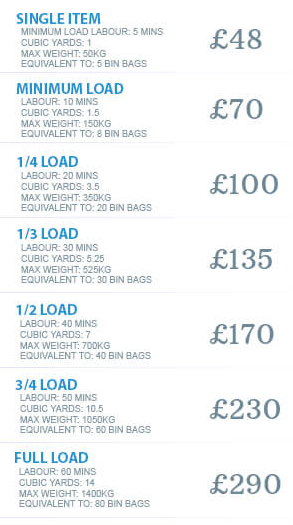
 Tipper Van - Rubbish Removal Prices in Bermondsey, SE16
 Luton Van - Rubbish Removal Prices in Bermondsey, SE16