Bermondsey rubbish removal near Bermondsey Station SE16
Posted on 04/07/2026

Bermondsey rubbish removal near Bermondsey Station SE16: a practical local guide
If you are looking for Bermondsey rubbish removal near Bermondsey Station SE16, you are probably not in the mood for a long, complicated process. Fair enough. Most people just want the rubbish gone, the space back, and no drama on the pavement outside. Whether it is a flat clearance after a move, a few bulky items that have been sitting in the hallway for too long, or builders' waste from a refresh, the right approach saves time, stress, and often money.
This guide breaks down how local rubbish removal works around Bermondsey Station, what to expect, how to choose the right service, and what to avoid if you want the job handled properly. You will also find a simple checklist, a comparison table, and a few grounded tips from the sort of situations people run into every week in SE16. Not glamorous, perhaps, but very useful.
Why Bermondsey rubbish removal near Bermondsey Station SE16 matters
Bermondsey Station is right in the middle of a busy, lived-in part of South East London. That matters because rubbish removal here is not a quiet, once-a-month kind of job. It sits in the real rhythm of flats, small offices, busy roads, shared entrances, loading restrictions, tradespeople coming and going, and people trying to keep communal areas clear. If you have ever tried to shift a broken wardrobe down a narrow stairwell while dodging neighbours on a Monday morning, you know the feeling.
Local rubbish removal is especially useful near the station because many properties in SE16 are a mix of apartments, converted buildings, terraces, and commercial spaces. That creates a lot of different waste needs. One person may need a single-item furniture pickup. Another may need a full house clearance after a tenancy ends. Someone else may have bags of renovation debris that cannot just sit on the pavement. Different jobs, different access issues, same basic problem: waste needs to go quickly and properly.
There is also the question of presentation. Bermondsey is a place people take pride in, and messy fly-tipping or overfilled front areas can cause more than an eyesore. It can create access problems, neighbour complaints, and avoidable hassle with building management. In a tight urban area, that stuff spreads fast. A tidy clearance is not just cosmetic; it helps keep the whole street functioning.
If you are also planning work in the area, it can help to think ahead. For example, if you are renovating or preparing a property for sale, you may want to read a Bermondsey property buyer's guide or local property market insights to understand how presentation and timing can influence a move or refurbishment. It all connects more than people think.
In a station area like SE16, speed matters, access matters, and respectful handling of waste matters even more.
How Bermondsey rubbish removal near Bermondsey Station SE16 works
At its simplest, rubbish removal is a collection-and-clearance service. You show what needs to go, the team estimates the load, and the waste is taken away for sorting, recycling, or disposal. The practical version is a little more nuanced, because the right service depends on what you are clearing and how much space the team has to work with.
Most jobs begin with a brief description of the waste. That might be old furniture, bagged mixed rubbish, white goods, garden cuttings, office clutter, or construction debris. Photos help a lot. Honestly, they save everyone time. If a quote is based on a quick call and a few clear images, the final job usually runs more smoothly than if everyone is guessing what is stacked behind the sofa.
On arrival, the team normally assesses access, loading distance, and whether the items need to be dismantled or carried from upper floors. Near Bermondsey Station, access can be the deciding factor. Parking bays, basement levels, stair-only access, lift restrictions, and busy shared entrances all affect how long the job takes and what equipment is needed.
After that comes loading, segregation, and removal. Reusable items may be separated from mixed waste where possible. Materials such as metal, wood, cardboard, soil, and green waste can sometimes be handled differently from general rubbish. If you are clearing a business premises, it is worth looking at office clearance in Bermondsey or rubbish collection options if you need something regular rather than a one-off clearance.
For heavier or messier jobs, builders' waste is often treated separately. Bricks, plasterboard, timber offcuts, tiles, and packaging can need different handling from household rubbish, so it helps to use a service that understands the difference. If your job sits in that category, take a look at builders' waste clearance in Bermondsey.
Key benefits and practical advantages
The obvious benefit is that the rubbish disappears. Useful, yes, but there is more to it than that.
1. Faster clear spaces. A good removal service clears items in one visit, or close to it. That matters if you are moving out, arranging new tenants, expecting deliveries, or trying to get a room back in use before the weekend.
2. Less strain on you. Carrying old furniture down stairs or loading heavy bags into a car is where many people underestimate the job. Back ache, scraped walls, annoyed neighbours... not much fun, really.
3. Better use of local access. Around Bermondsey Station, parking and loading can be awkward. A professional approach reduces the number of trips and helps keep things moving without blocking entrances for ages.
4. More responsible disposal. Reputable rubbish removal services sort waste rather than simply dumping everything together. That helps with recycling and is usually the safer, more sensible route for mixed loads.
5. Less disruption to neighbours and building managers. In shared buildings, one messy clearance can become everyone's problem. A planned collection keeps communal areas usable and avoids complaints.
6. Flexibility. You can usually clear a few items, a partial load, or a whole property. That is helpful if your situation is a bit in-between. Not every job is a full house, and not every job is just one chair.
If sustainability matters to you, it is also worth checking how a provider approaches sorting and recovery. Our local advice is simple: choose a service that values recycling and practical reuse where possible. If you want to understand this side more clearly, our recycling and sustainability approach is a sensible place to start.
| Benefit | What it means in Bermondsey | Why it helps |
|---|---|---|
| Speed | Waste can be removed without waiting for a long skip permit process | Great for moves, refits, and urgent clearances |
| Access support | Teams can work around stairs, narrow halls, and limited parking | Reduces stress in station-area properties |
| Flexible loads | Useful for anything from a few bulky items to a full clearance | You only pay for the amount removed, not empty space |
| Responsible sorting | Items can be separated for reuse or recycling where suitable | Cleaner outcome and better environmental practice |
Who this is for and when it makes sense
This type of service is not only for people in a crisis with piles of rubbish everywhere. In fact, many of the best uses are straightforward and preventative.
Homeowners and tenants often use local rubbish removal after a move, a refurb, or a major declutter. If you are handing back keys, a fast clearance can remove that last bit of stress from the process.
Landlords and letting agents need quick turnaround between occupiers. A left-behind mattress, broken chair, or garage full of odds and ends can delay viewings and cleaning schedules. If that sounds familiar, house clearance in Bermondsey can be a better fit than trying to piece it together yourself.
Local businesses may need regular or one-off clearance for stock, packaging, broken desks, or office fit-out waste. If the room is starting to feel like a storage closet rather than a workplace, that is often the moment to act.
Builders and trades usually need quick removal of offcuts and heavy waste at the end of a job. Leaving materials in place can slow the next phase, and nobody wants to work around rubble for days. It gets old fast.
People clearing garages, lofts, or gardens benefit too. Those spaces tend to collect things quietly over months or years. One old shelf turns into three broken chairs, a rusted bike, half a box of tiles, and a mystery cable. How does that always happen?
If you are dealing with bulky items rather than mixed waste, furniture or appliance disposal may be the most sensible route. For example, furniture disposal in Bermondsey is useful for sofas, wardrobes, tables, and mattresses that are simply too awkward to move alone.
Step-by-step guidance
If you want the process to go smoothly, a little prep goes a long way. Not much, just enough to make the removal fast and tidy.
- Sort the items by type. Separate general rubbish, furniture, electricals, garden waste, and builders' waste if you can. Even a rough split helps.
- Take photos of the load. Wide, clear shots are best. Try to show scale and access points as well as the waste itself.
- Check access details. Stairs, lifts, parking, timed loading, and whether someone needs to be at the property all matter. Mention them early.
- Remove obvious hazards. If there is sharp metal, broken glass, needles, or damp waste, flag it before collection. Safety first, always.
- Confirm the exact items. A good service should know whether it is removing a single bulky item, a mixed load, or a full clearance.
- Prepare any paperwork or permissions. In managed buildings, you may need approval for access or loading. Worth checking before the truck arrives.
- Keep the route clear. Move smaller items out of the way so the team can load efficiently without navigating a maze.
- Review what is left behind. Once the job is done, do a final walk-through. It sounds obvious, but people forget things in cupboards all the time.
There is a simple truth here: the more clearly you define the job, the better the outcome. Vague instructions usually create vague results. Nobody wants that.
Expert tips for better results
These are the little things that tend to make a clearance feel effortless instead of annoying.
Be honest about volume. A half-full load and a full load are very different jobs. If you are unsure, say so. Good providers can usually estimate from photos and a short description.
Group items before the team arrives. If everything is scattered across rooms, the job takes longer. Consolidate what you can into one place. A hallway, garage, or entrance area works well if safe and accessible.
Keep separate anything valuable or personal. Important documents, chargers, keys, tools, jewellery, and spare parts have a habit of hiding in drawers. It happens to everyone.
Use the right service for the right waste. Garden clearances, loft clearances, and office clearances all have different logistics. Matching the service to the waste type often makes the whole process smoother. If your outdoor space is getting out of hand, garden waste removal in Bermondsey can be a better fit than a general collection.
Plan around building quiet hours. In a station area, timing matters. Early mornings, late afternoons, and school-run periods can be more awkward than they first appear.
Ask what happens to mixed waste. You do not need a lecture, but it is sensible to understand whether the provider sorts items for recycling and how they handle different material types.
Do not wait until the last minute. If you have a move-out date or handover deadline, book early enough to avoid panic. Panic leads to bad decisions, and bad decisions usually cost more.

Common mistakes to avoid
Most problems are avoidable. That is the reassuring part.
- Underestimating the amount of waste. A small pile can turn into a bigger one once cupboards, lofts, or storage rooms are opened up.
- Ignoring access issues. A service that sounds quick on paper can slow down if nobody mentioned stairs, parking restrictions, or narrow hallways.
- Leaving hazardous items mixed in. Sharp objects, chemicals, and certain electrical items may require special handling.
- Choosing purely on price. The cheapest option is not always the best value if it lacks proper process, insurance, or disposal standards.
- Forgetting building rules. Some blocks require notice for collections. That one catches people out more often than you would think.
- Trying to do a job that is too large for a car or van. It usually becomes several trips, which eats the whole afternoon.
One of the more frustrating mistakes is assuming every waste job is the same. It really is not. A single sofa, a load of office chairs, and rubble from a bathroom strip-out are three very different animals. Same street, different headache.
Tools, resources and recommendations
You do not need much to prepare for a rubbish removal, but a few simple tools help a lot.
- Phone camera: use it to take clear photos before the collection. This improves quoting and reduces confusion.
- Basic labels or tape: mark items you want to keep separate from waste if the property is cluttered.
- Gloves and sturdy shoes: useful if you are sorting a loft, garage, or garden before the crew arrives.
- Measuring tape: helpful for large furniture, awkward hallways, and stairwells.
- Bin bags or boxes: best for small loose items and mixed clutter.
For a wider view of what the company handles, it can help to read the services overview and then match your job to the right category. That is often the difference between a straightforward booking and a muddled one.
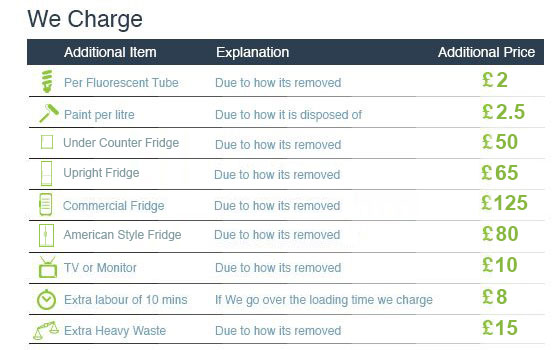
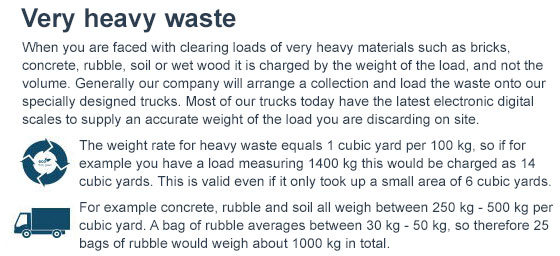
If you want to compare value rather than just headline price, check pricing and quotes. Clear pricing guidance makes it easier to judge whether a job is small, medium, or genuinely large. And if you are dealing with a more specialised clearance, such as a garage, loft, or junk removal job, looking at the right service page can save you a bit of back-and-forth later.
Law, compliance, standards and best practice
For rubbish removal in London, the main principle is straightforward: waste should be handled responsibly, moved safely, and disposed of through proper channels. You do not need to memorise legislation to make a sensible decision, but you should expect any provider to treat waste carefully and not dump it wherever is convenient. Obvious, but worth saying.
Best practice usually means the following:
- clear identification of the waste type before collection
- safe manual handling for heavy or awkward items
- appropriate segregation of recyclable material where practical
- care with hazardous or sensitive waste
- respect for shared spaces, neighbours, and access routes
- transparent pricing and clear communication
If a job includes items that could be risky, such as sharp materials, wet waste, or anything contaminated, tell the provider early. The same goes for anything unusual in volume or weight. In our experience, the best outcomes come from plain honesty up front. Saves everybody a small headache.
It is also sensible to ask about insurance and safety practices, especially for larger or more awkward clearances. A professional service should be able to explain how it manages manual handling, property protection, and loading. If that sort of reassurance matters to you, insurance and safety information is worth reading before you book.
For business customers, keep your own records in order too. If you are disposing of office or commercial waste, note what went, when it went, and who collected it. It is a basic habit, but a useful one.
Options, methods and comparison table
People around Bermondsey Station usually choose between a few practical options. The best one depends on speed, waste type, access, and how much lifting you want to do yourself.
| Method | Best for | Pros | Trade-offs |
|---|---|---|---|
| Man-and-van rubbish removal | Bulky items, mixed waste, urgent clearances | Flexible, quick, minimal effort for the customer | Best when the waste can be loaded in a timed visit |
| Skip hire | Longer projects, ongoing building work, larger volume | Handy if the waste will build up over time | Needs space and may involve permit considerations |
| DIY disposal | Very small loads and occasional items | Can work for a tiny amount of waste | Time-consuming, physically demanding, and often inconvenient |
| Specialist clearance | House, office, loft, garage, or garden jobs | Matches the waste type and access needs more accurately | Requires choosing the right service from the start |
If you are unsure, think about the shape of the problem rather than just the volume. A few large pieces of furniture may be a rubbish removal job. A full renovation pile may be better handled as skip hire in Bermondsey. Small distinction, big difference in practice.
Case study or real-world example
Take a typical Bermondsey Station flat on an upper floor. The resident is moving out at short notice and has a sofa, a broken bed frame, a desk, a few boxes of mixed clutter, and some leftover packaging from new furniture. There is no lift, the stairwell is narrow, and the building entrance is shared. Classic SE16, really.
In that situation, the best approach is usually not to hire a skip and hope for the best. There may be nowhere sensible to place it, and loading everything by hand would still be needed. A rubbish removal team can usually assess the load from photos, arrive with the right size vehicle, and remove the items in one organised visit. The resident keeps the hallway clear, the neighbours are not blocked for long, and the move continues without turning into an all-day drama.
Another common scenario is a local office near the station that is replacing old desks and chairs. The space needs to look presentable for clients and staff. A quick clearance helps the team reset the office without leaving surplus furniture stacked in a corner for weeks. Sometimes that is all a business needs: a clear room and a clean start.
Those jobs may sound ordinary, but ordinary is exactly where good service proves itself. You do not always need a grand solution. You need the right one.
Practical checklist
Use this quick checklist before booking your collection.
- Have I separated rubbish, furniture, garden waste, and builders' waste where possible?
- Have I taken photos of the items and access route?
- Have I checked whether parking or access restrictions apply?
- Do I know whether any item needs special handling?
- Have I removed personal belongings and valuables?
- Am I clear whether this is a one-off collection or a larger clearance?
- Have I allowed enough time before my move, handover, or building work?
- Do I understand the quote and what is included?
- Have I checked any building or landlord rules?
- Do I want recycling-focused handling where possible?
If you can tick most of those off, you are in a very good place. If not, no panic. Just sort the top two or three issues first and the rest tends to fall into line.
Get a free quote today and see how much you can save.
Conclusion
Bermondsey rubbish removal near Bermondsey Station SE16 is really about making busy urban life a bit easier. The right service helps you clear space, avoid unnecessary lifting, handle waste responsibly, and keep your property or business moving forward without delays. That matters whether you are moving house, running a business, clearing out a loft, or dealing with renovation debris that has overstayed its welcome.
The best results usually come from a simple formula: describe the waste clearly, check the access properly, choose the right type of collection, and work with a provider that values safety and practical waste handling. Nothing flashy. Just sensible, local, done-right work.
If you want to learn more about the people behind the service, have a look at about us or explore the wider local content on why locals love Bermondsey and a local's perspective on Bermondsey. And if your project is a little more specific, the right specialist page can make the decision much easier.
At the end of the day, a clear space changes how a room feels. You notice the light again, the floor again, the room breathing a bit. That's often the real win.



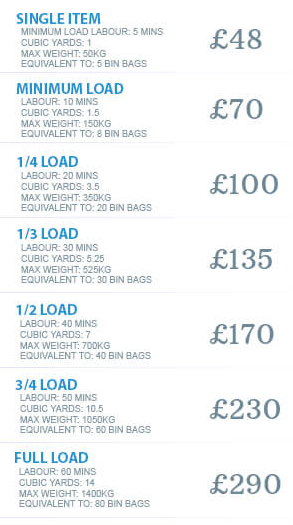
 Tipper Van - Rubbish Removal Prices in Bermondsey, SE16
 Luton Van - Rubbish Removal Prices in Bermondsey, SE16